Thinking about building
Research, data, and field notes on aluminum framing, prefab construction, and why the way we build is about to change.
Building an off-grid home with aluminum framing: the parcel the utility would not wire is a logistics problem before it is an energy problem
The line extension you turned down is the reason the crane, the modular truck, and the framing crew will not come either. A flat-pack, non-combustible aluminum frame that two to four people bolt together on screw piles, with the solar array mounted on the frame itself, was built for that parcel, whether it sits in Montana or Guanacaste.
Read article →
Aluminum framing for indoor pickleball facilities: how schedule compression decides who owns a regional market
There are 25-plus operator brands racing to plant flags in every US metro. PEMB shells run 16 to 26 weeks of lead time before erection even starts. In a category where the first facility to open inherits the waitlist and the second one inherits the leftovers, the framing material is what decides who opens first.
Read article →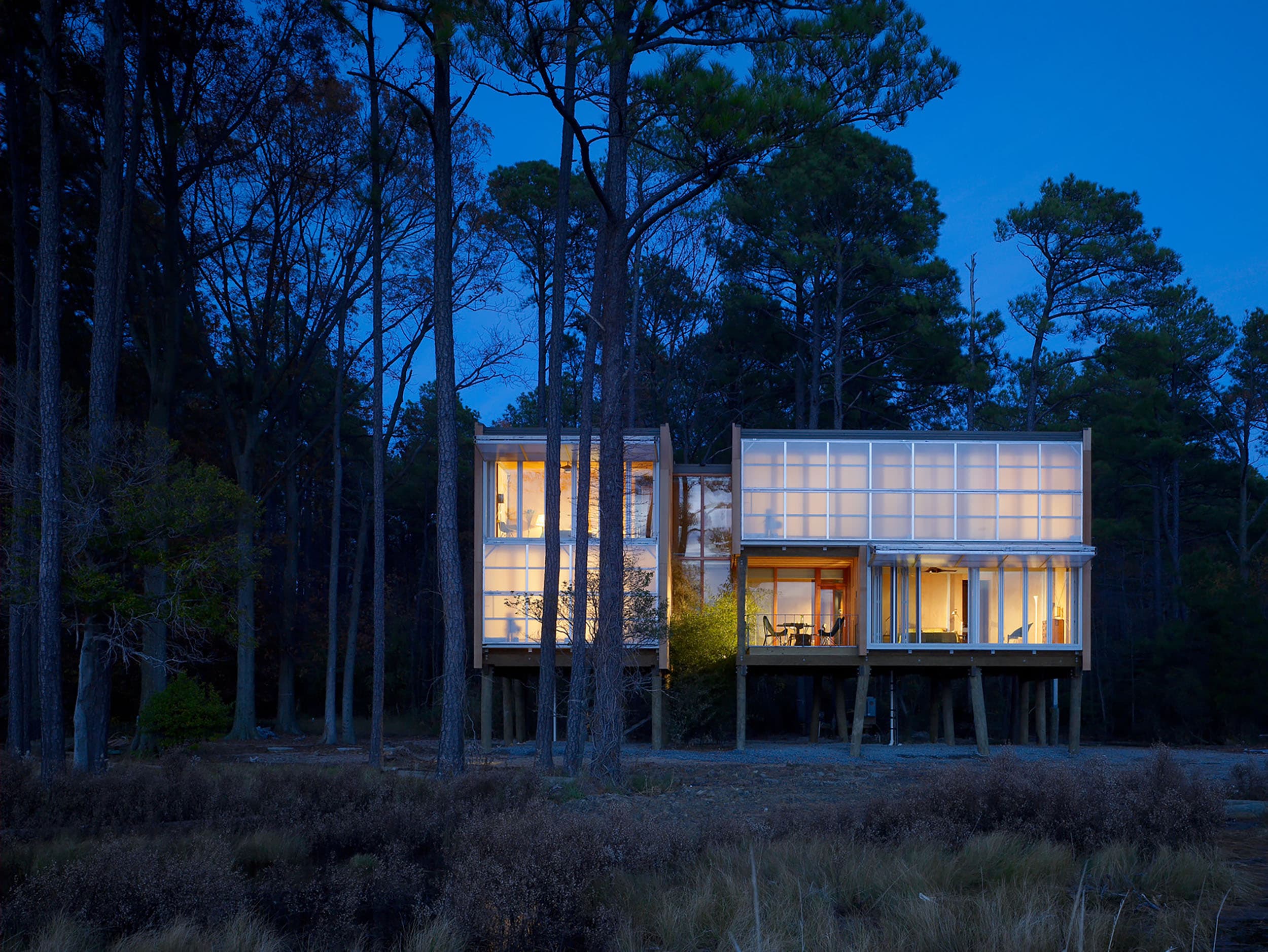
The Loblolly House at twenty: KieranTimberlake's aluminum-scaffold prefab thesis is finally available off the shelf
KieranTimberlake built a Chesapeake house in six weeks of on-site assembly in 2006 using an aluminum scaffold, floor cartridges with the MEP pre-installed, and pre-built bathroom blocks. The deeper thesis underneath the components, that you can organize a house by integrated element instead of by trade sequence, has not gone mainstream in twenty years. Here is what the project tested, what the cartridge model borrows from manufacturing, and why it has been waiting on the shelf so long.
Read article →Aluminum framing for EV charging canopies and fleet depot charging structures: how bolt-together construction handles NEVI deadlines, solar integration, and depot scaling
NEVI obligated $5B against hard state plan deadlines. The IRA 30C credit ramped, then required Davis-Bacon prevailing wage. Steel canopy lead times run 14 to 26 weeks. Aluminum framing changes the construction calendar, the labor cost, the modular expansion path that fleet depots actually need, and the corrosion liability on gas station conversions and coastal sites.
Read article →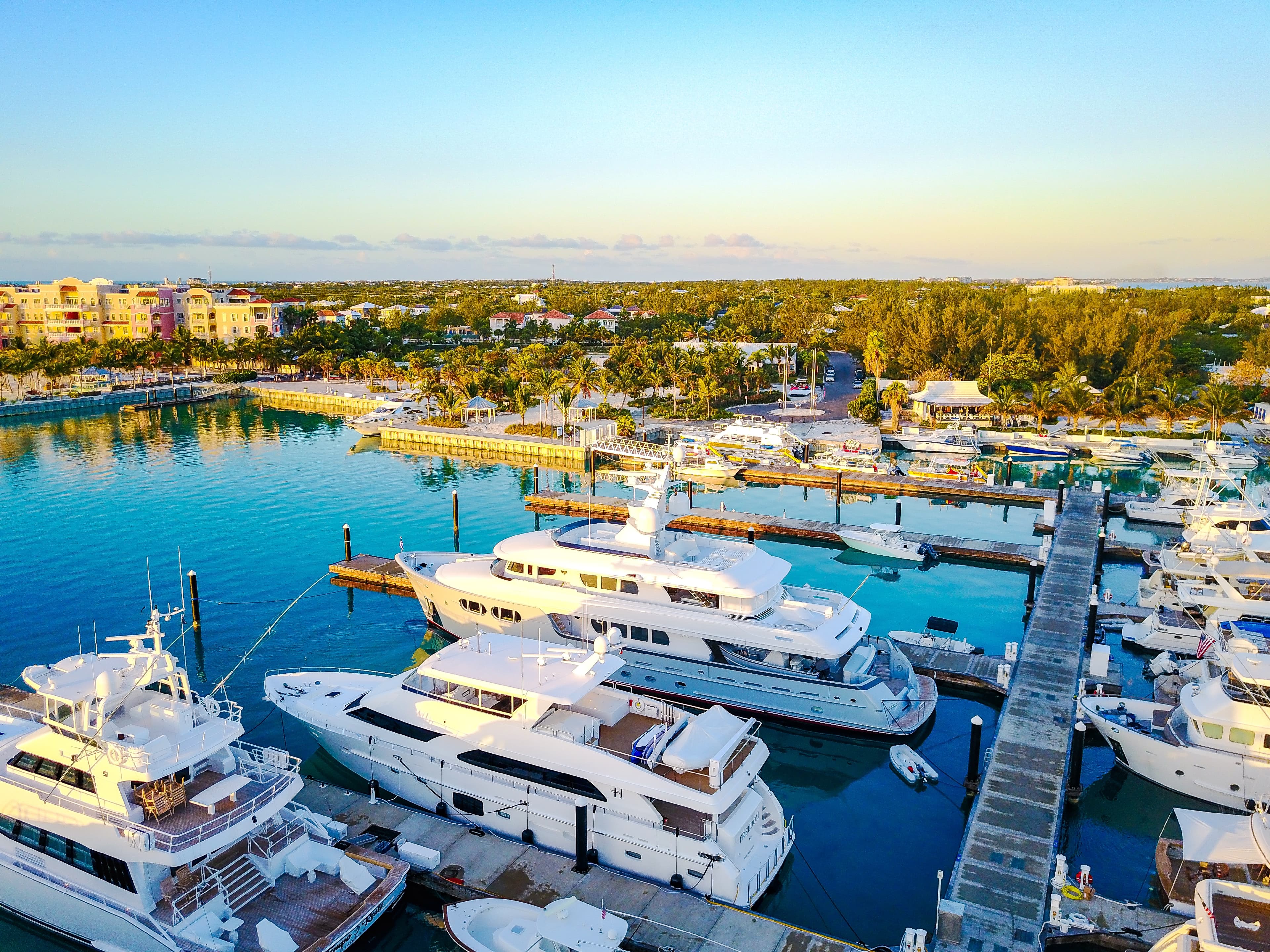
Aluminum framing for marinas and dry stack boat storage: how corrosion-resistant construction changes the math for operators and acquisition investors
Wet slip permitting is frozen on the coasts. Dry stack is where capacity gets added. Galvanized steel within five miles of saltwater enters its first recoat cycle around year 13. Aluminum framing changes the build calendar, the year-15 CapEx liability, and the diligence math on a marina acquisition.
Read article →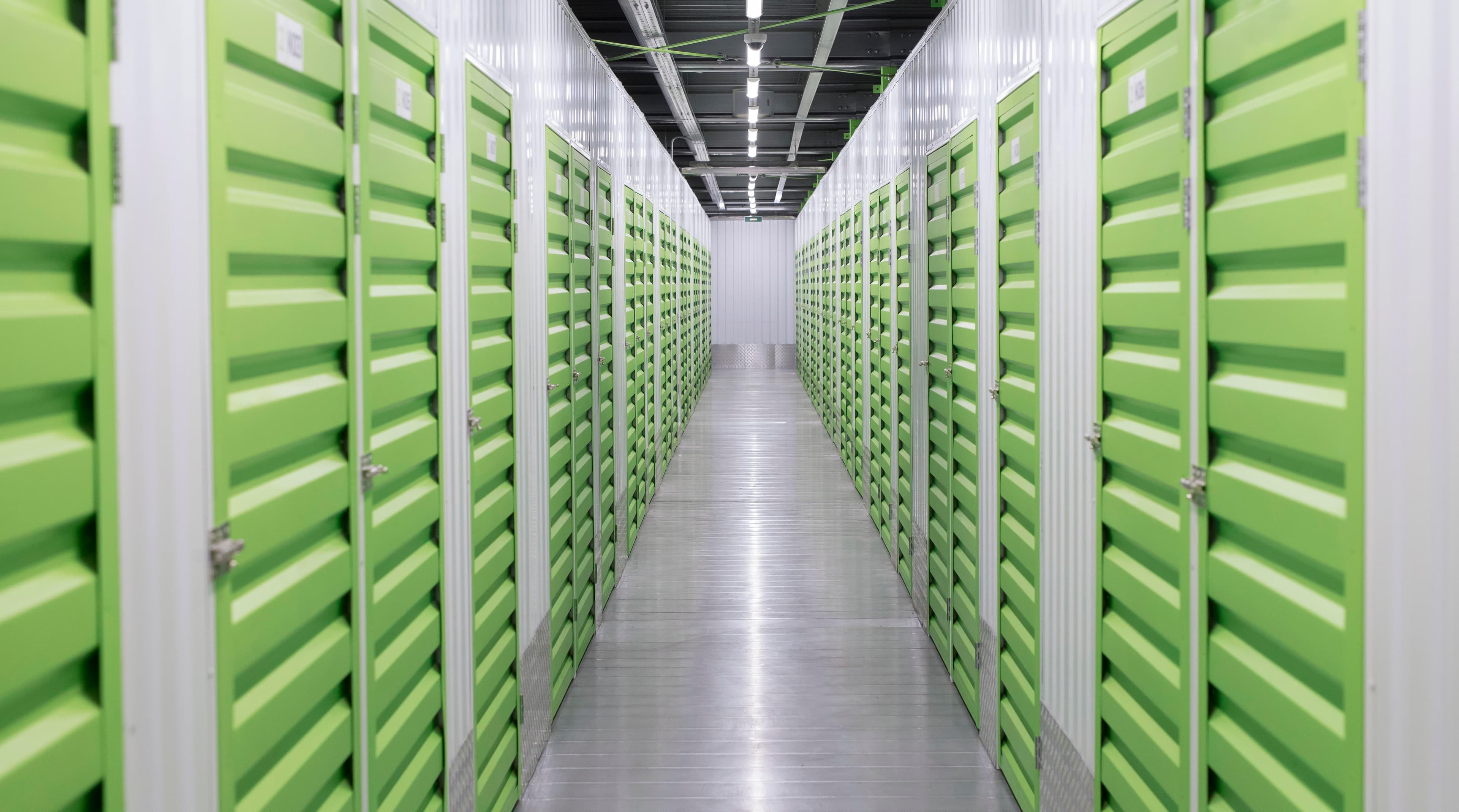
Aluminum framing for self-storage: how bolt-together construction shortens lead times and pulls lease-up revenue forward
PEMB is the 95% default for self-storage. The three places it costs operators the most money in 2026 are steel mill lead times, condensation in climate-controlled space, and the recoat cycle on coastal facilities. Aluminum framing changes the math on all three.
Read article →Aluminum framing for contractor warehouses: why your own crew can erect the shell and what that saves you
Specialty steel erectors charge $8 to $15 per square foot just to stand up a red-iron shell. Bolt-together aluminum moves that line item from an outside sub to your own crew. On a 60 by 100 contractor warehouse the delta is tens of thousands of dollars that stay inside the business.
Read article →Barndominium aluminum framing: how bolt-together construction cuts welders, cranes, and specialty hardware out of the build
Red-iron barndo kits ship with hundreds of specialty fasteners and cannot go up without certified welders. Pole barns rot. Bolt-together aluminum framing is the third option that strips welder labor, crane days, and the clip-and-fastener package out of the line item.
Read article →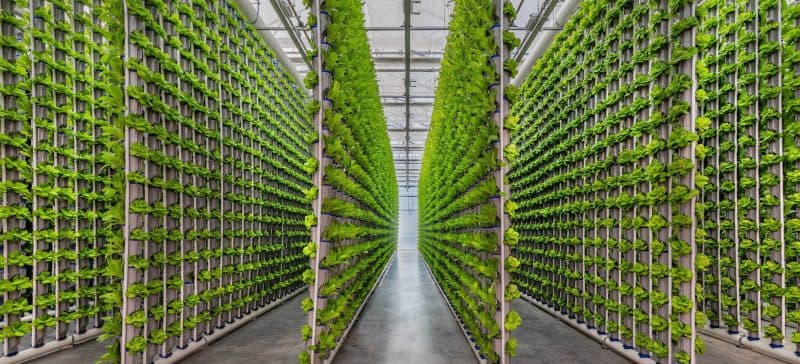
Aluminum framing for vertical farms: why wood and galvanized steel fail inside a CEA facility
Vertical farms run at 80% humidity with pH-5.5 hydroponic mist. Wood rots, steel corrodes and leaches zinc into your water, and every welding day kills biosecurity. Clear-span aluminum framing fixes all three.
Read article →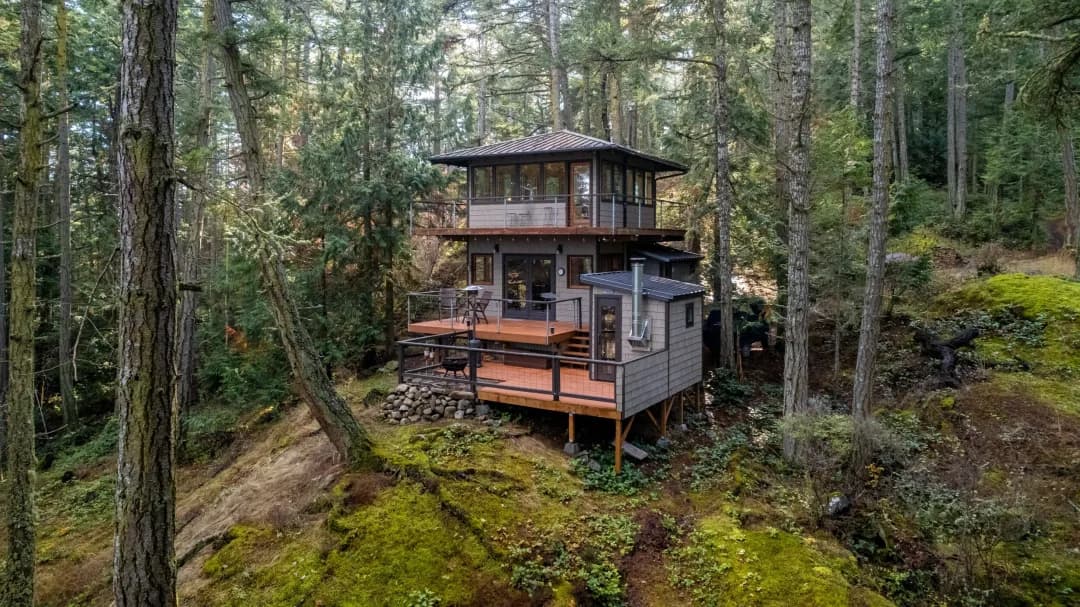
Flat-pack aluminum framing for luxury eco-tourism: how to build a resort in a place a truck cannot reach
The best eco-resort sites are on cliffs, islands, and forest ridges where heavy trucks and cranes cannot go. Flat-pack aluminum framing is hand-carryable, non-combustible, and leaves the landscape intact.
Read article →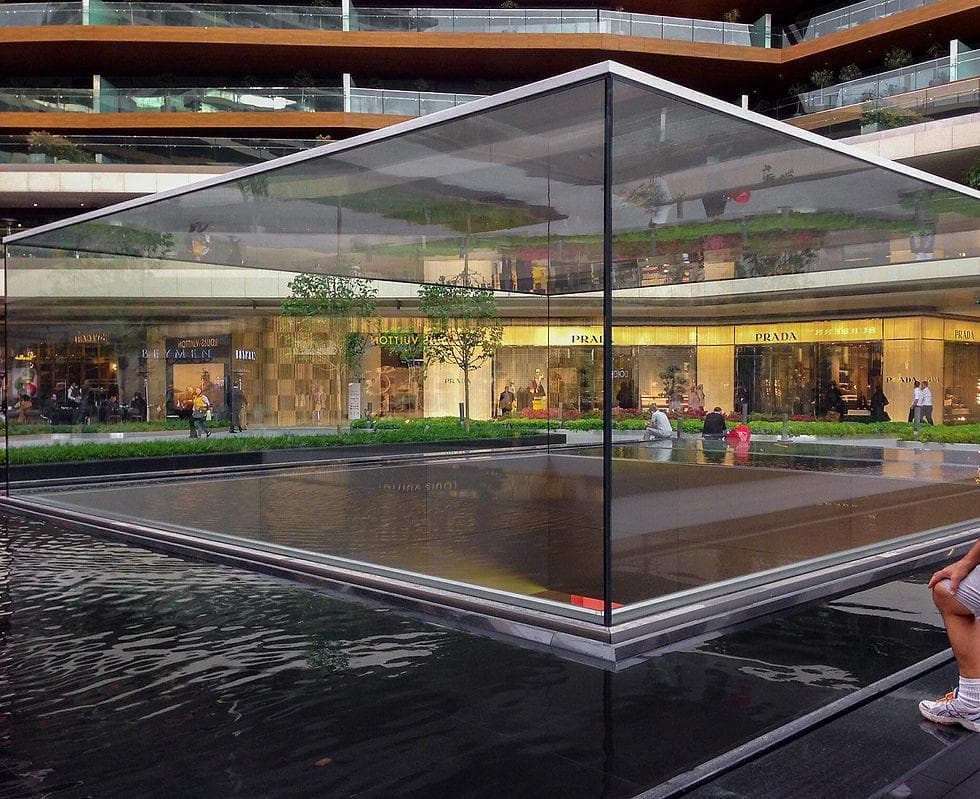
Luxury pop-up pavilions that build in days and tour for years: the case for bolt-together aluminum framing
SXSW and Art Basel give you hours to go live. The IBC treats anything under 180 days as a temporary structure that still needs full plan review. Premium brand pavilions are moving to bolt-together aluminum framing.
Read article →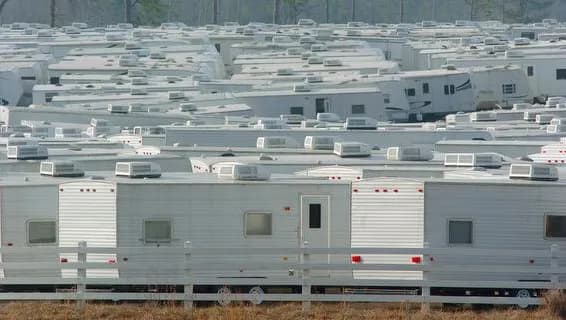
Modular aluminum framing for disaster relief: a faster, healthier alternative to FEMA trailers and shipping containers
A FEMA manufactured housing unit costs $110K to $129K for 18 months of shelter. Shipping containers need cranes disaster zones do not have. Bolt-together aluminum frames flat-pack and qualify for BRIC funding.
Read article →
From Hawaii to the Smokies: how aluminum framing handles the toughest hillside terrain in America
Volcanic rock, saturated mine benches, expansive clay, landslides, freeze-thaw. Every steep region has different hazards but the same physics problem. Region-by-region breakdown.
Read article →
Edge data center construction: why prefab aluminum framing is the fastest path from site to online
Edge sites go on rooftops, inside existing buildings, and in tight urban lots where cranes do not fit. Every month of delay costs $14.2 million. Prefab aluminum framing deploys in 3-4 months instead of 2 years.
Read article →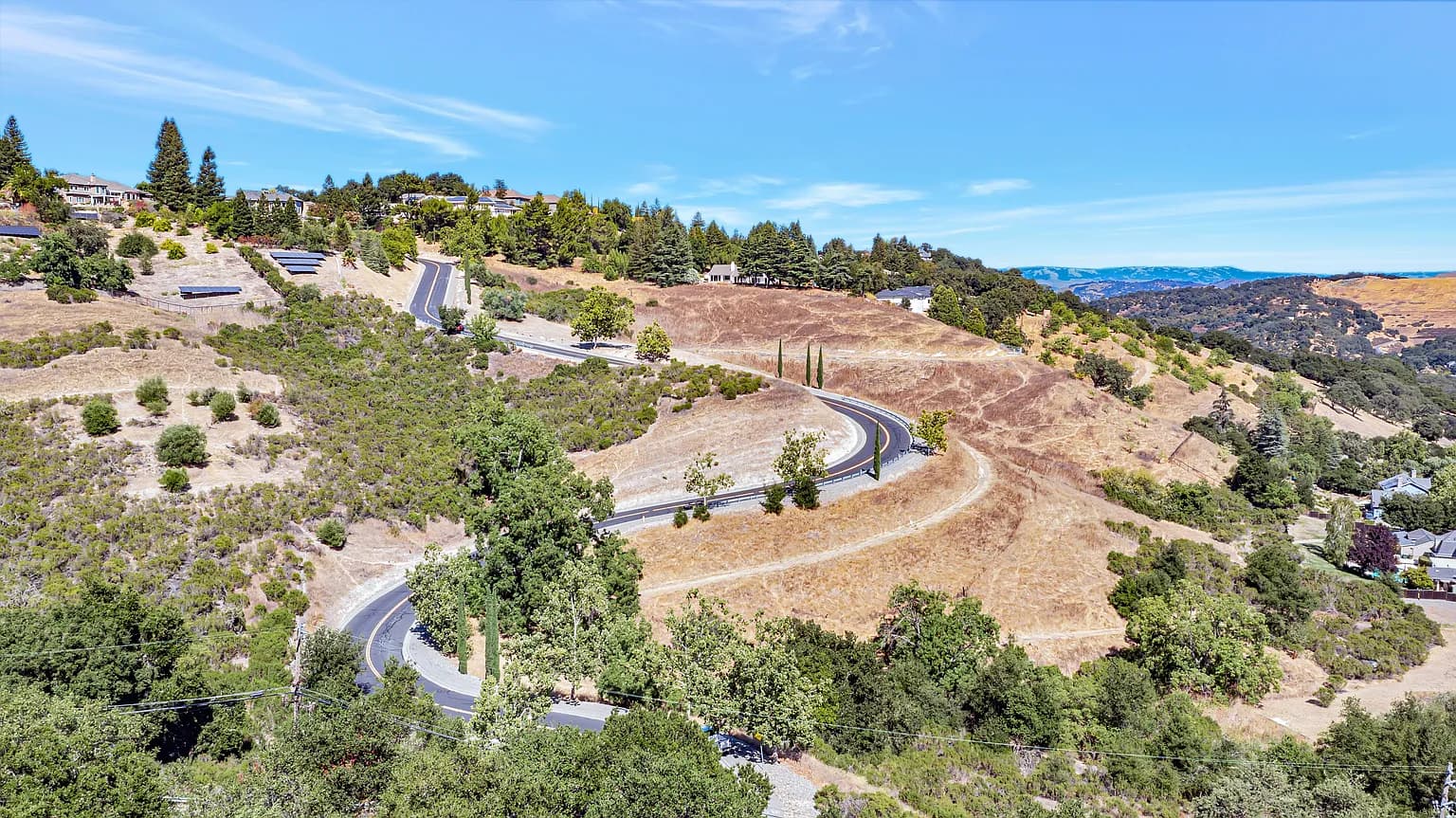
Hillside construction with aluminum framing: why lightweight, non-combustible framing is built for steep lots
Building on a hill costs more because of the weight. Heavier frame means deeper foundations, bigger retaining walls, and cranes that may not fit on your road. Aluminum changes that equation. City-by-city breakdown for Bay Area hillside communities.
Read article →
Building in wildfire zones: what non-combustible framing actually means for your home and your insurance
The 2025 LA wildfires destroyed 11,000 homes. Non-combustible aluminum framing does not burn, does not fuel the fire, and can cut your insurance premium by up to 16.4%. Here is what the data says.
Read article →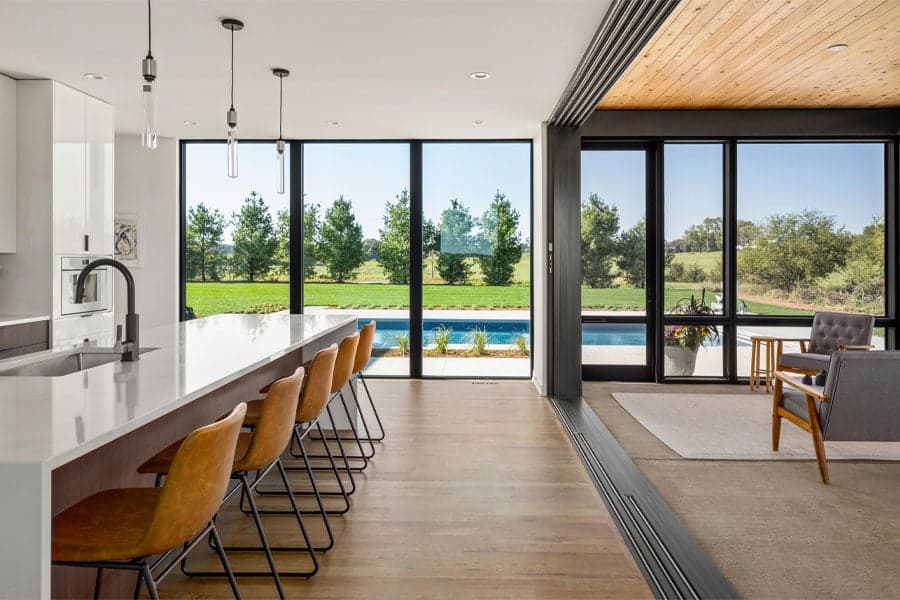
No load-bearing walls: how exterior aluminum framing unlocks open floor plans
When the exterior frame carries the full structural load, every interior wall becomes optional. Open floor plans, floor-to-ceiling glass, reconfigurable rooms, and hidden MEP systems.
Read article →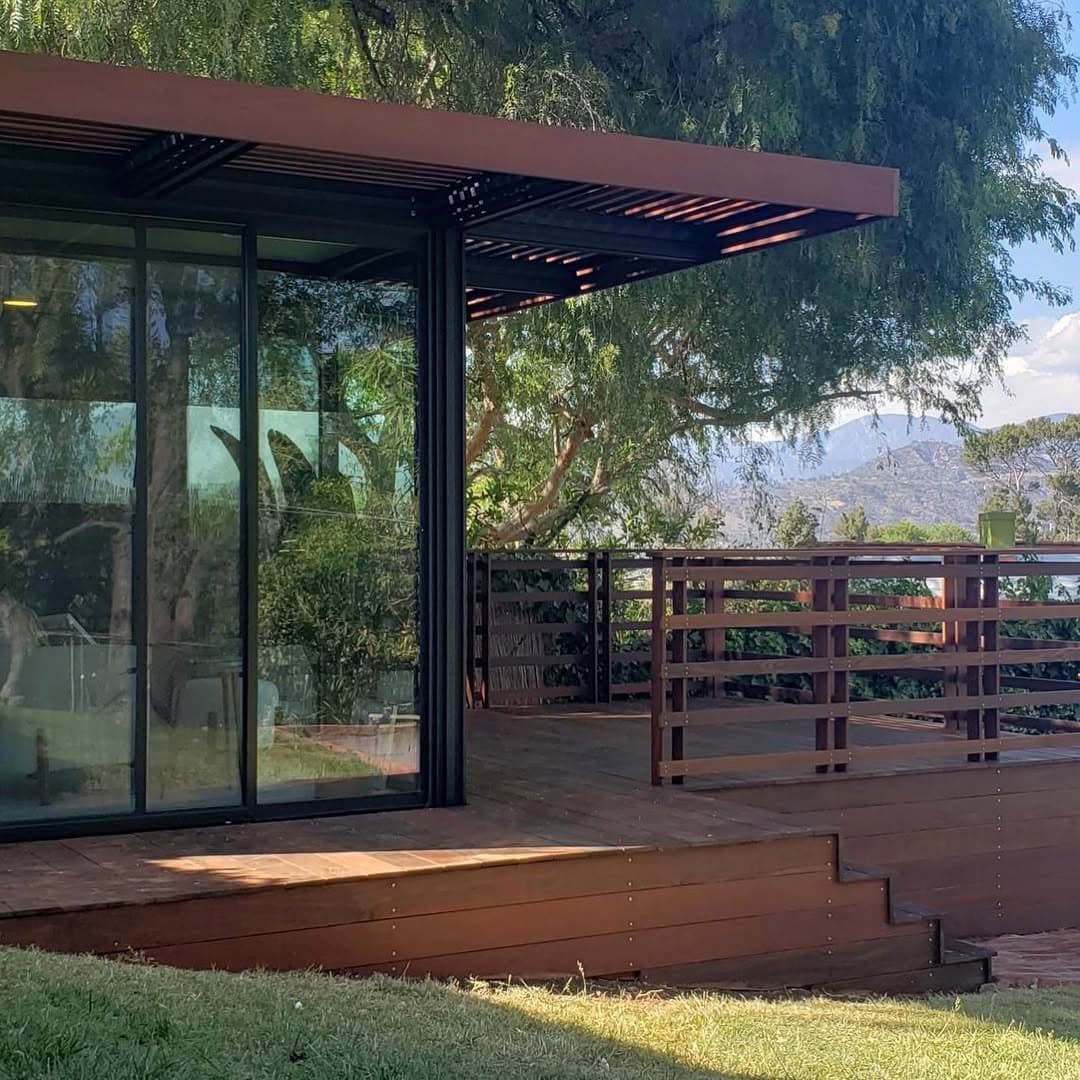
The hidden carcinogens inside your walls: why your framing material is a health decision
Your home contains at least 55 chemicals of concern embedded in structural materials. Wood framing off-gasses formaldehyde, breeds toxic mold, and requires carcinogenic preservatives. A material scientist explains what to do about it.
Read article →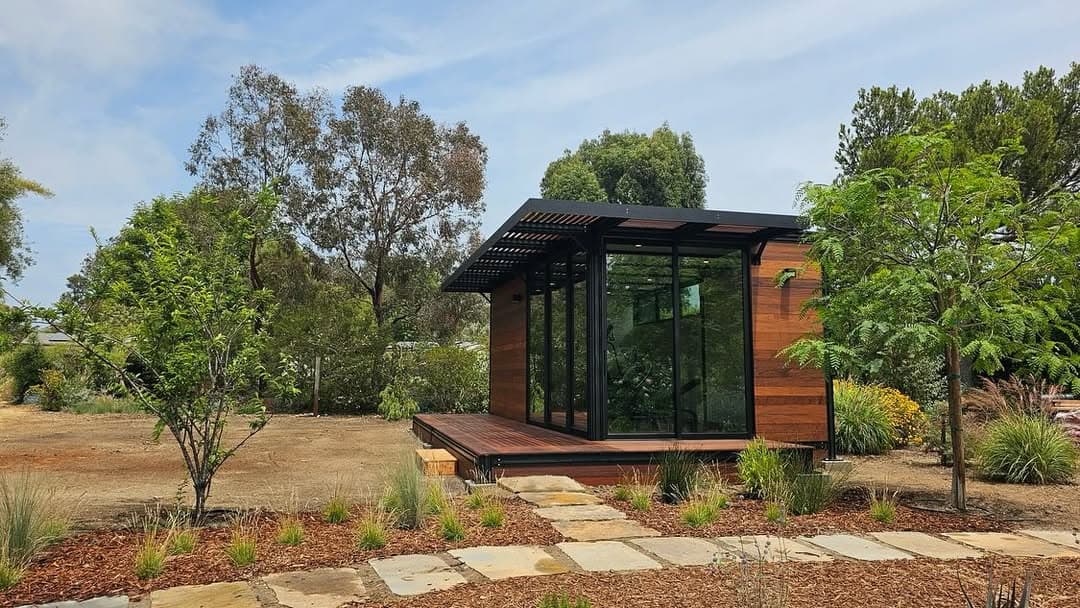
Why prefab aluminum framing is the best way to build an ADU in 2026
California ADU costs have climbed 44% since 2021. Prefab aluminum framing cuts build time in half, eliminates rot and termite risk, and gets homeowners to move-in faster. Here is what the numbers actually say.
Read article →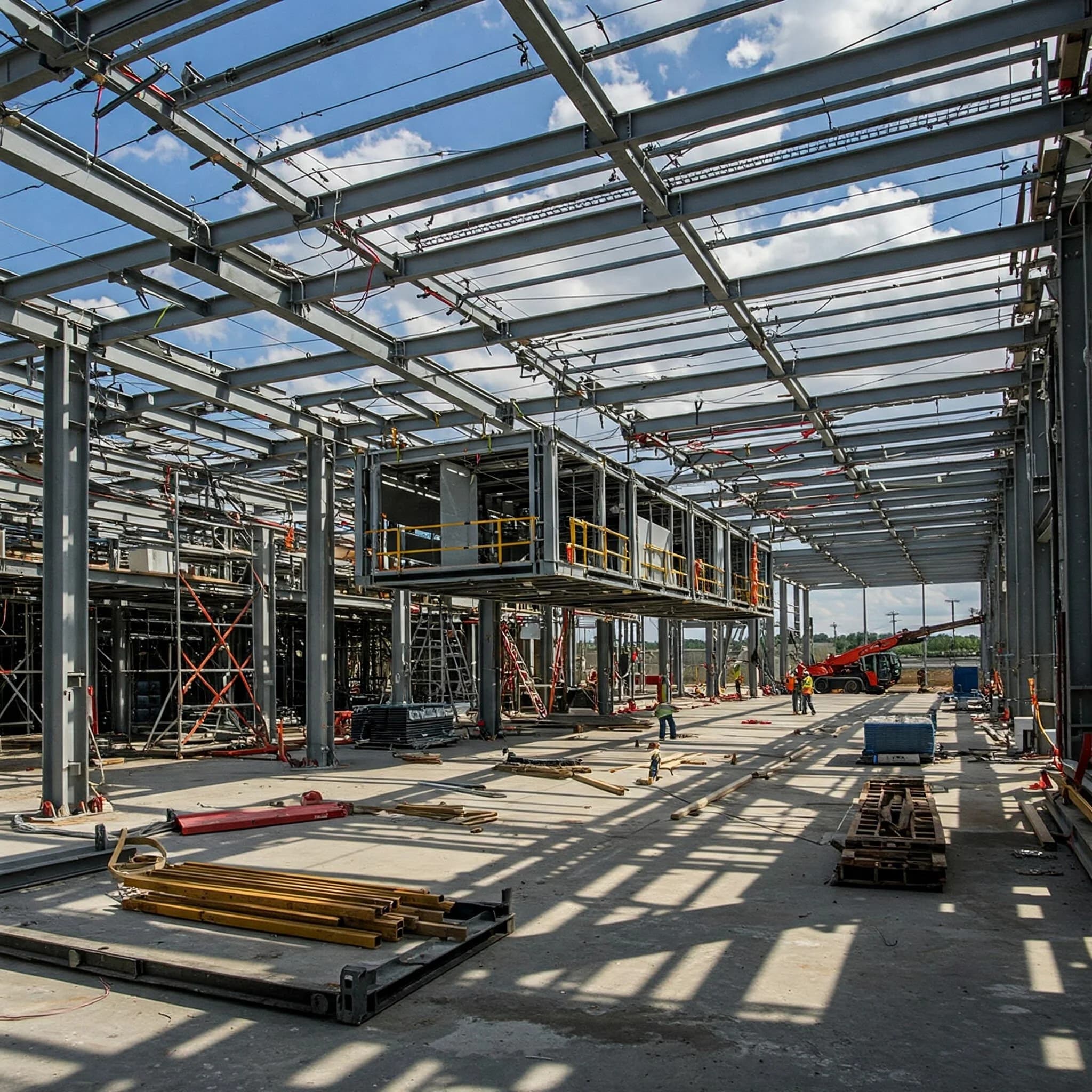
Aluminum framing for data centers: how to build faster when the industry can not find enough welders
The data center industry is spending $52 billion on construction in 2026 but facing a 439,000-worker shortage. Bolt-together aluminum framing eliminates welding from the critical path entirely.
Read article →