No load-bearing walls: how exterior aluminum framing unlocks open floor plans
When the frame does the heavy lifting, your floor plan stops being a structural compromise and starts being an actual design choice.
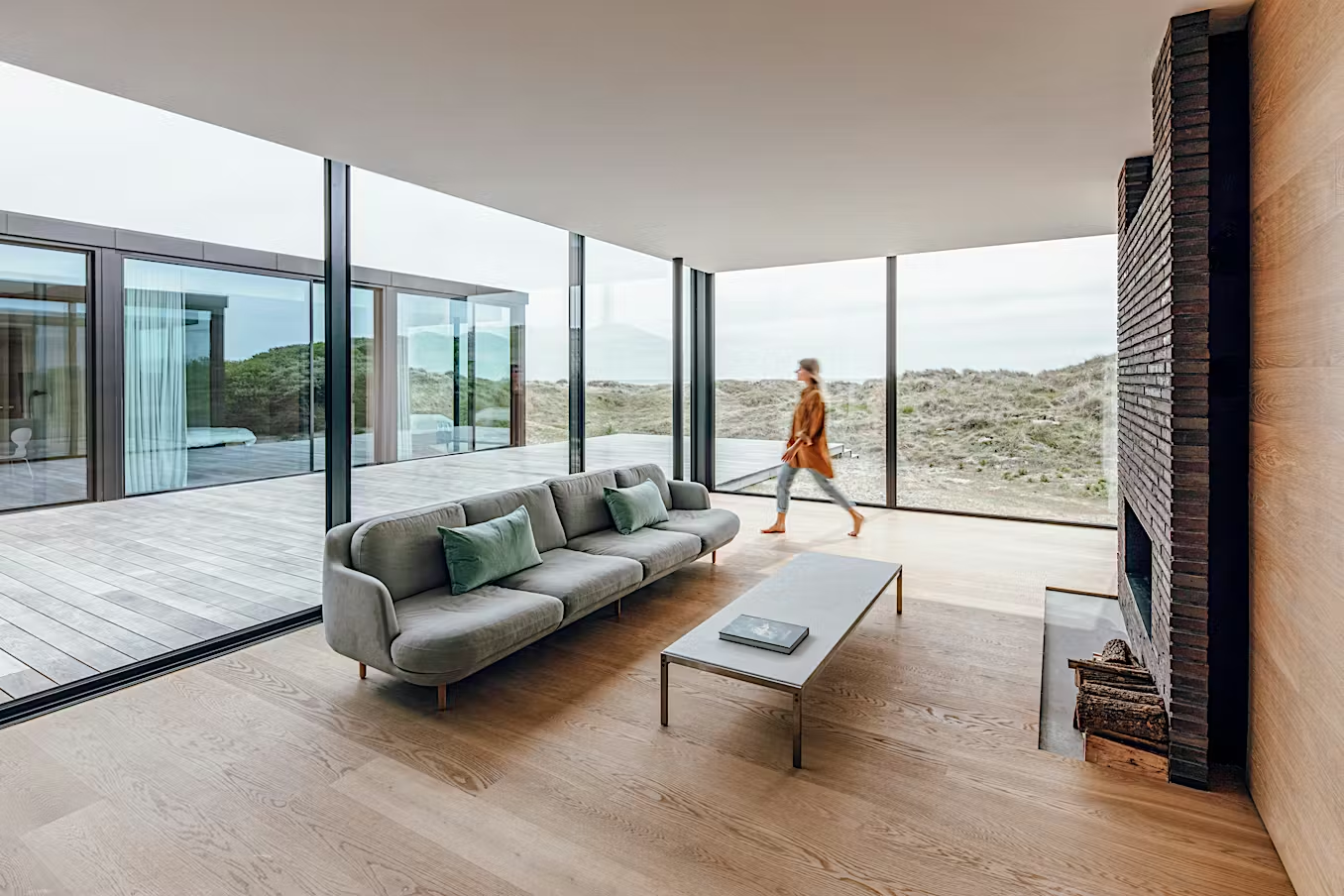
The skeleton dictates the space
Every home starts with a skeleton. In traditional wood-framed construction, that skeleton depends on a network of interior load-bearing walls. These walls carry the weight of the roof, upper floors, and everything above them down to the foundation. You cannot remove them without engineering intervention.
The practical consequence is that the structure makes design decisions for you. Where hallways go. Where rooms end. Why the kitchen is separated from the living room by a wall that cannot move. According to Hogan Design & Construction, these walls typically run perpendicular to ceiling joists along the center spine of the home, splitting the floor plan into compartments the builder has to work around.
Want to open up the kitchen and living room after the fact? Expect to hire a structural engineer, pull permits, install steel beams, reroute plumbing and electrical, and spend $3,000 to over $10,000 to remove a single wall. That is the cost of retrofitting openness into a system that was never built for it.
What if you started without the constraint?
Core X Frame approaches the problem from the opposite direction. Instead of building around interior structural constraints and trying to engineer around them later, our system concentrates the full structural load in the exterior envelope.
When the outer aluminum frame is engineered to support the roof, upper floors, wind loads, snow loads, and seismic forces on its own, every interior wall becomes a partition wall. Lightweight. Movable. Entirely at the discretion of the homeowner and architect.
This is the same principle that has driven commercial and industrial construction for decades: skeleton frames carry loads through perimeter columns and beams, freeing the interior for any layout. Core X Frame brings that capability to residential builds. (It is also the structural approach behind our data center framing work, where clear spans are a requirement, not a luxury, and behind our vertical farming buildings, where interior columns would block automated mobile robots and fragment the racking layout.)
What that freedom looks like in practice
Uninterrupted sight lines. Floor-to-ceiling glass walls. Open kitchen-to-living transitions. Indoor-outdoor flow without a column or support wall breaking it up every twelve feet. Japanese residential architects have built this way for years using steel frames: pillar-free great rooms, high ceilings, the kind of spatial openness that wood framing cannot deliver. The same perimeter-load architecture is what lets luxury brands build museum-grade pop-up pavilions with full-height structural glazing in days rather than months.
Rooms that change when your life does. A home without structural interior walls can evolve. The nursery becomes a home office. The formal dining room opens into the kitchen. An aging homeowner removes a partition to improve wheelchair access. No engineer needed, no beam installation, no five-figure renovation. The National Association of Home Builders reports that flexible, adaptable layouts are among the most sought-after features for modern buyers.
Complex geometries that wood cannot do. When the frame handles the structural math, architects can focus on the architecture. Double-height living areas. Cantilevered lofts. Angular wall panels that exist for aesthetics, not load transfer. Architizer has documented how exposed structural frames have become a design feature in award-winning projects worldwide.
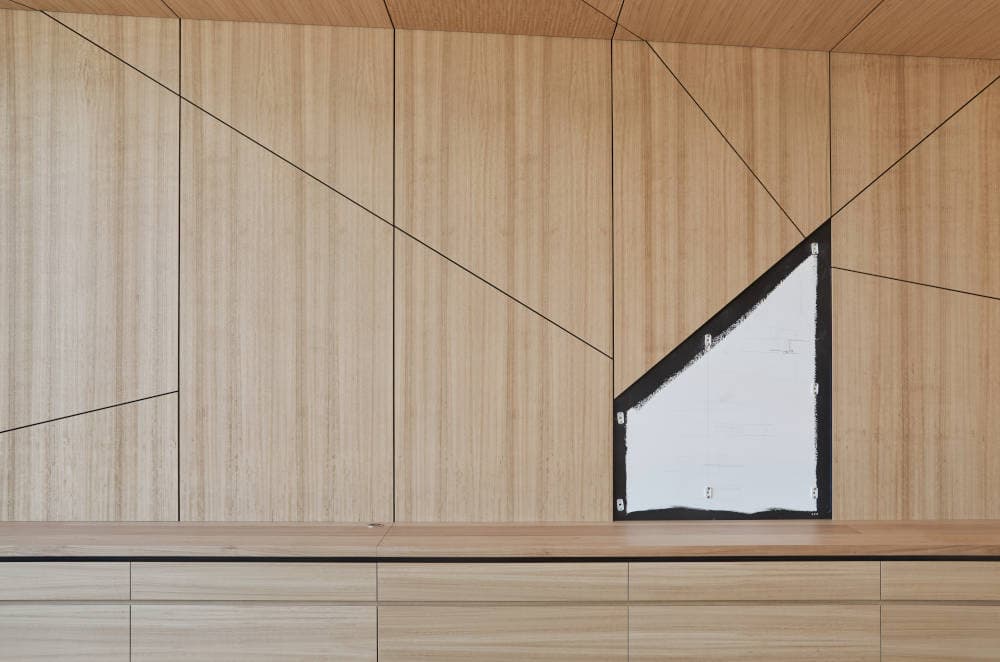
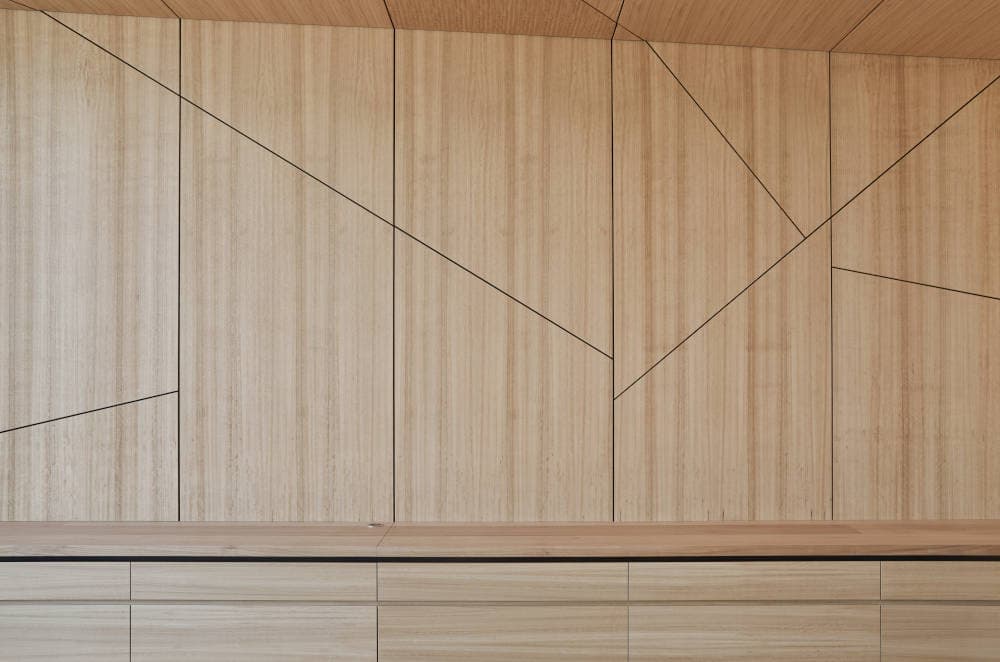
Better light, less electricity. Without load-bearing walls chopping up the interior, natural light from windows and glass doors penetrates deep into the floor plan. Open layouts reduce reliance on artificial lighting and allow unobstructed airflow, which lowers mechanical cooling costs.
Open layouts are also a financial decision
According to data compiled by RoomSketcher, homes with open layouts in the U.S. appreciated roughly 7.4% annually between 2011 and 2016. In the UK, open-plan living areas have been associated with property value increases of up to 15%.
70% of American home buyers prefer floor plans with completely or partially open kitchen and family room areas. 54% of home builders now design standard family homes with open kitchen-family configurations as the default.
Real estate professionals consistently find that a home with efficient flow and open design commands a higher price per square foot than a comparably sized home with a compartmentalized layout, regardless of total square footage.
The open floor plan advantage
Why eliminating interior load-bearing walls drives value, beauty, and buyer demand
Why this matters most for new builds
If you are renovating an existing home, removing load-bearing walls is expensive and risky. It requires temporary supports, structural engineering consultations, permits, beam installations, and rerouting every utility in the wall. One misstep can crack the foundation or cause floors to sag.
When you build with Core X Frame from the start, none of that applies. The exterior frame arrives engineered for full structural support. Interior walls are framed with lightweight, non-structural members. Easy to install, easy to move, easy to remove ten years from now. You are not retrofitting openness into a closed system. You are building it in from day one.
This is the same approach that steel-framed barndominium builders, modular home manufacturers, and forward-thinking architects have already proven at scale. A frame with a high strength-to-weight ratio allows flexible floor plans because interior walls do not need to bear the building's weight.
Hidden infrastructure, accessible when you need it
Eliminating load-bearing walls solves the structural side. But there is another constraint that quietly dictates how homes are built and maintained: the mechanical, electrical, and plumbing (MEP) systems threaded through walls and floors.
Two industries solved this problem years ago in spaces far more demanding than a house.
Step onto a well-built yacht. Complex HVAC, electrical, and plumbing systems are packed into a hull where every centimeter counts. Yet the interior looks seamless. The infrastructure sits behind removable panels, accessible in minutes for inspection or repair without touching a finished surface. High-end RVs work the same way. In a space smaller than most living rooms, manufacturers fit full HVAC, electrical, and plumbing behind modular compartments that pop open for service.
Residential construction has been stuck in the opposite approach. MEP components get buried inside finished walls and sealed behind drywall. Need to fix a leaking pipe? You are cutting drywall, patching, repainting. A one-hour repair becomes a multi-day project. MEP systems can account for up to 60% of total construction costs, and poorly coordinated installations are a top cause of delays and budget overruns. This is one of the reasons prefab ADU construction saves so much time: the MEP coordination happens in the factory, not on your job site.
Core X Frame uses a panelized system in walls and floors that keeps all mechanical, electrical, and plumbing components hidden from view while remaining accessible for inspection, maintenance, and upgrades. The same principle that makes a yacht feel like a luxury suite can make your home smarter and easier to maintain for decades.
When a plumber needs a valve, they access the panel. Not the wall. No cutting drywall. No patching. No collateral damage to tile or cabinetry. And when you add a bathroom, upgrade to a heat pump, or run wiring for an EV charger, the infrastructure channels are already there.
What this adds up to
A structural frame that carries the load from the outside. Interior walls that exist because you chose them, not because the building needs them. And building systems that stay hidden until you need them, then get out of your way when you do.
If you are planning a new build, the framing system you choose determines how much freedom you have with everything that comes after it. With Core X Frame, the floor plan is yours from the start.
Want an open floor plan without structural compromises?
Talk to Khurshid about how exterior aluminum framing works for your project.
Call Khurshid: (650) 450-1455Sources
- Hogan Design & Construction - Load-Bearing Wall Removal Guide
- Crest Real Estate - Understanding Load-Bearing Walls
- Level Engineering - Open Floor Plan by Removing Load-Bearing Wall
- Chicago Architecture Center - Clear Span Construction
- Japanese Architects - Steel-Framed Residential Design
- RoomSketcher / NAHB - Open vs Traditional Floor Plans and Property Value
- Architizer - Exposed Structural Frames in Architecture
- Load Bearing Pros - 10 Benefits of Open Floor Layouts
- AmeriSave - Critical Factors That Determine Home Value
- Topp Construction - Risks of Load-Bearing Wall Removal
- Worldwide Steel Buildings - Steel Frame Barndominiums
- North Pacific Yachts - Yacht Interior Customization
- Kyle Nitchen - MEP Systems Guide
- Mark III Construction - Panelized MEP Wall Systems